Distance is a strange thing to measure. We look at where someone is standing today and call it the whole story, never asking where they started, or how far that first step actually was.
Here are two journeys. I will not tell you who they are. You have likely met both.
The First Flight
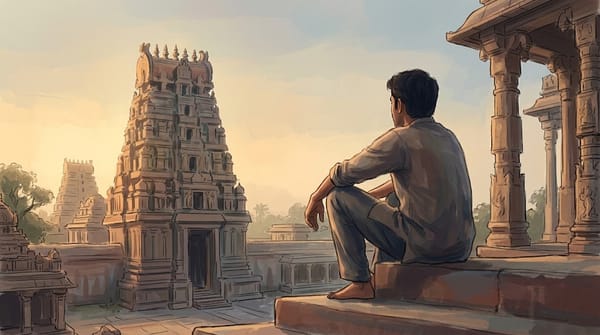
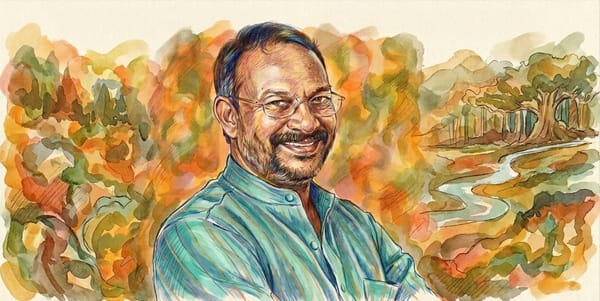
He was born in a village in the United Provinces (soon to be Uttar Pradesh), in the years right after independence, into a Brahmin household that ran on rules older than memory. His mother died young, and with her went whatever softness the house might have had. What remained was discipline: who you could eat with, who you could touch, who you could become.
He left. Not out of rebellion, just hunger. He landed in a city that assaulted every sense he owned: new language on his ears, new spice on his tongue, a new sun on his skin. He built a life out of pure unfamiliarity, married, had children, and gave them the one thing denied to him: an education with no restrictions.
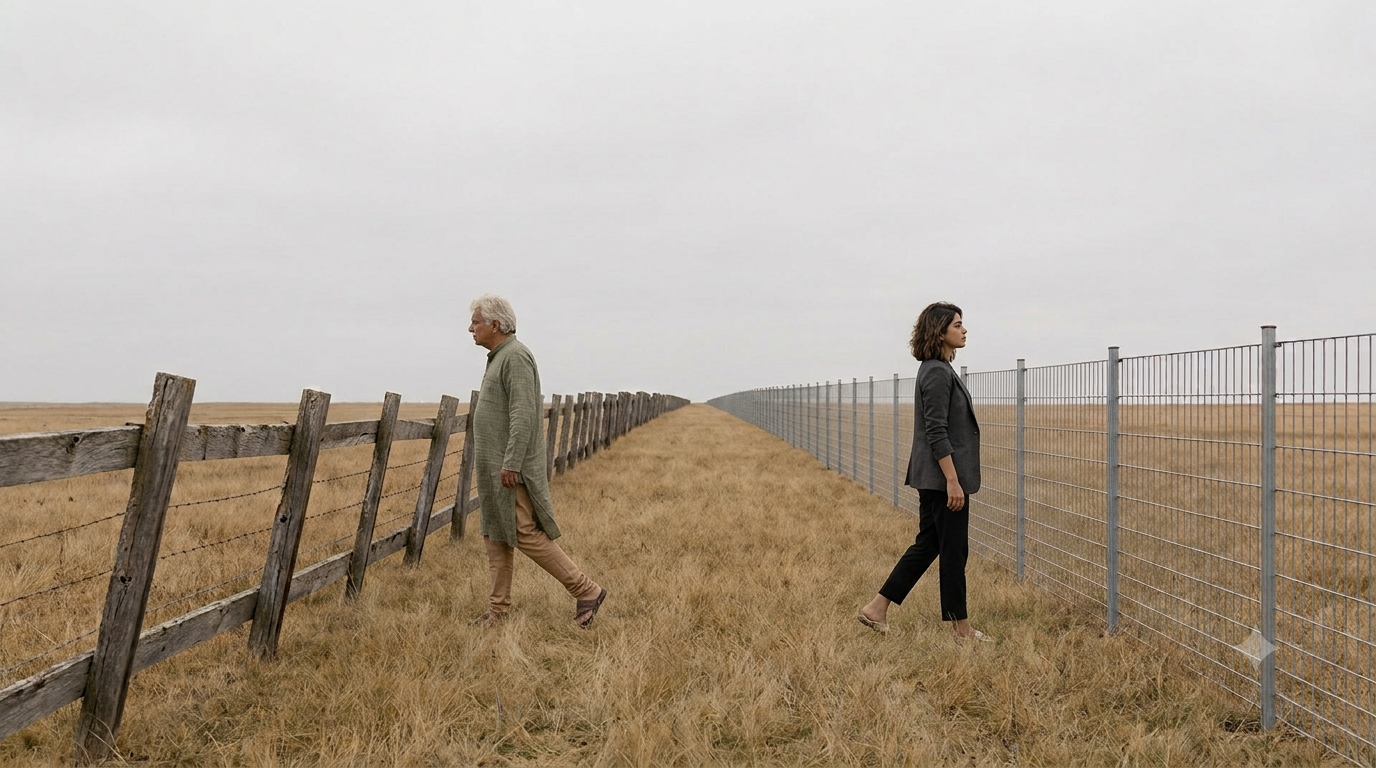
But he tied and held a thread on them even as he gave them wings. He decided how far they could fly.
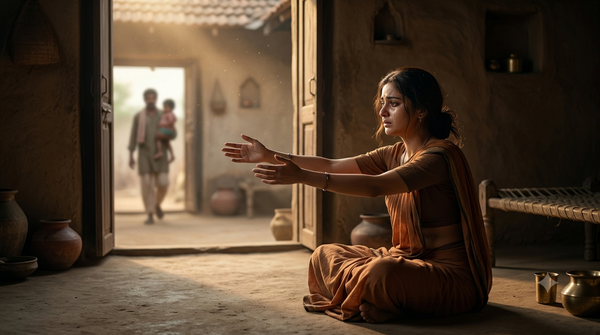
One child flew past the line anyway, and came home with a bird from outside the fence, outside the caste, outside everything the old house stood for. He fought it. He pleaded, then went quiet with grief, then let go. Not because he stopped believing in his old rules, but because he loved his child more than the rules.
Years later, another child did the same. This time, the resistance barely lasted a season. Maybe it was age. Maybe it was practice. Maybe the fence had genuinely moved. He was still, in many ways, the man from that village. He had not become someone else. But he had walked, however slowly, away from where he began.
For a man who started where he started, that walk was enormous.

The Second Flight
She was born decades later, in Mumbai, into a home that never knew hunger. She grew up among classmates of every caste and class, every religion, every accent the country had to offer. School was easy. College was easier. A future already written in her favor.
She fell in love freely, the way the city had taught her to. She chose without asking who her choice belonged to, because, as she understood it, she had already evolved past needing to ask.
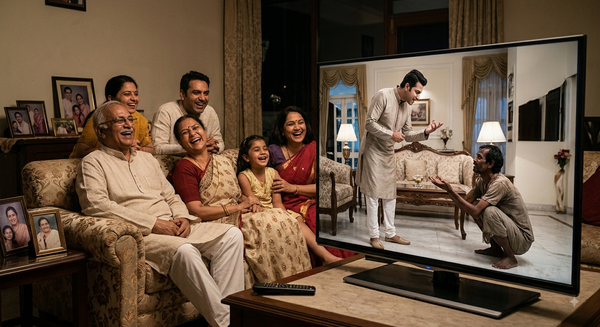
When she found the partner she wanted to spend her life with, someone from outside the fence, someone the old rules would have rejected, she fought for it. Not the quiet resignation her own father once showed, but a full battle: arguments, accusations, a generation calling the older one regressive, unevolved, stuck. Her parents resisted, some of it from not wanting to let go of the life they had imagined for her, some of it from plain fear. They folded eventually, the way fences always do when the people behind them are loved enough.
She married after the struggle, getting what she wanted because someone chose to let go. She raised her own children freely, her kind of freely, the kind that gave space, telling them they could choose anyone, love anyone, become anyone.
Anyone, except.
She drew her own fence. Quietly, the way fences are always drawn: a joke here, a flinch there, a line never spoken but understood by everyone in the house. Not a son bringing home a boyfriend. Not a daughter who realizes she was never meant to be a daughter at all. She had crossed every boundary her parents once held sacred, and built a new one in the exact same shape, just further out.
The Same Sky
Here is the part neither of them would admit, even to themselves:
The villager who accepted a love outside his caste still believes caste explains something true about people.
The city native who fought her own parents for the right to love freely still believes some love doesn't deserve the same fight.
Both call themselves progressive. Both are right, and both are only half right.
We mistake progressiveness for a destination, a fixed point you either stand on or fail to reach. We measure each other against where we currently are, calling anyone behind us backward and anyone ahead reckless.
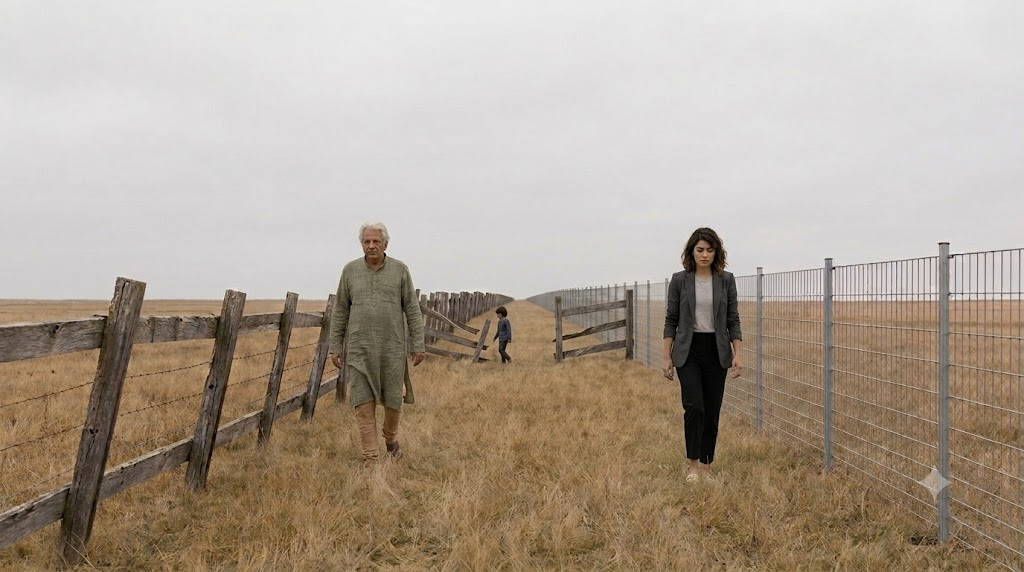
But nobody is standing on solid ground. Everybody is mid-stride, dragging a thread from the past they don't realize they're still holding.
The truth is simpler, and far less comfortable:
Progressiveness is not a place. It is a direction.
It is measured against your own starting point, never someone else's finish line. The man from the village who let go of caste, even partially, moved further than most people from his world ever would. The woman from the city who can't let go of her last fence has, despite her certainty, simply stopped moving.
The question worth asking is never, "How progressive am I, compared to them?"
It's, "How far have I walked from where I began? Or did I just rename my fence and call it the horizon?"
Because the fence always feels invisible from inside it. Until your own child flies straight through it.