At 18, life seems like an open canvas.
When I asked people what they remembered most vividly about being 18, their answers felt like postcards from youth.
“To build a successful career.”
“Studying and doing well in college was all I could think of.”
“I was in my bachelor's, just happy to be with friends, attending classes, and preparing for what came next.”
“Three more golden years of freedom before the real world begins.”
Ah, 18. That tender, restless age. You want to soar high, write poetry in your journal, meet people who change your life, and make promises under starlit skies. College begins, friendships bloom, love arrives unannounced. For most of us, 18 is when we fall seriously in love for the first time - awkward, beautiful, all-consuming.
He too fell in love.
He loved with everything he had.
Not the kind that writes letters or waits by the phone. His was a love so fierce, so absolute, it consumed him. A love that asked for nothing and gave everything.
And when the time came, he chose to give it all.
The Flame of Khudiram Bose
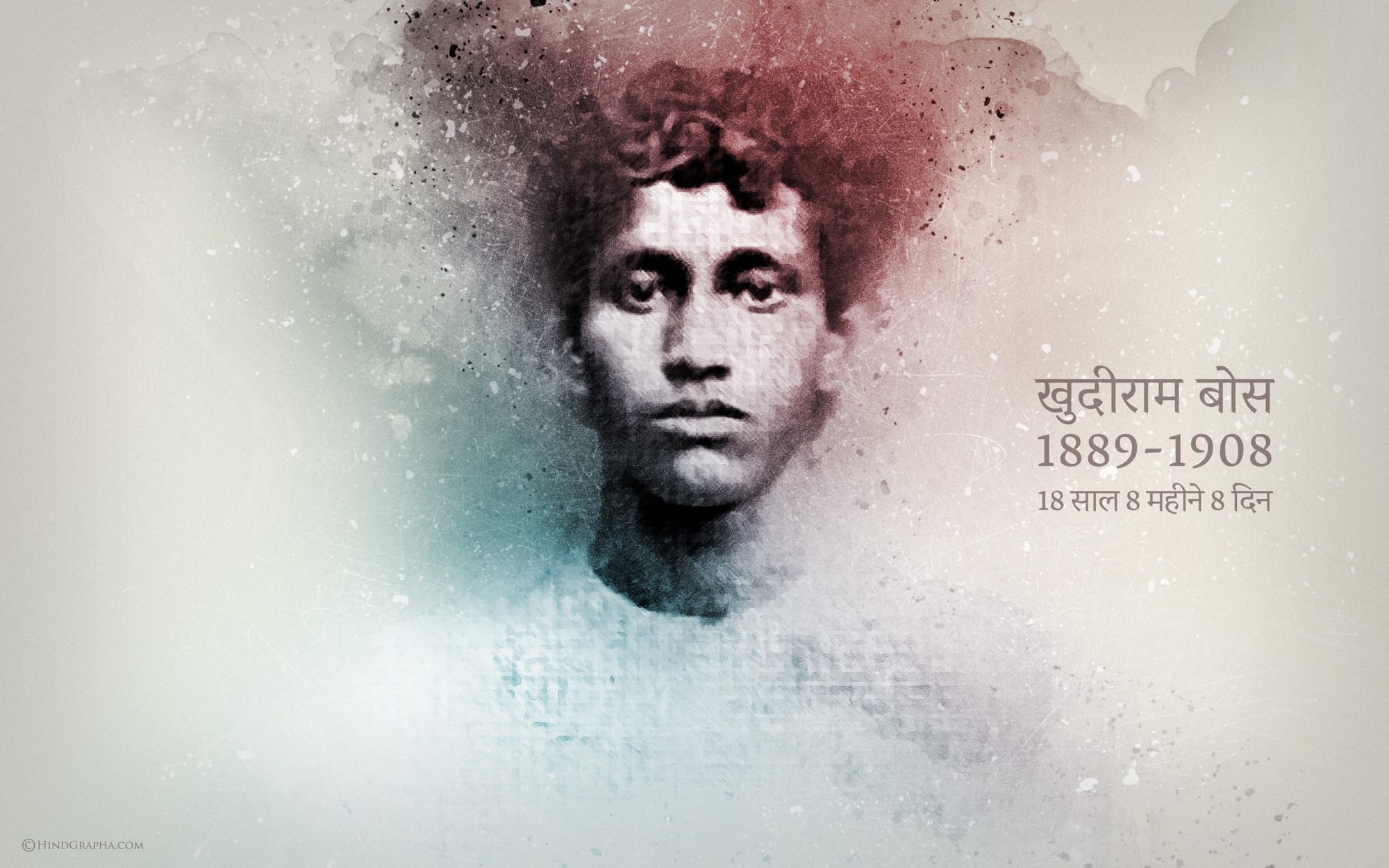
In the annals of India’s struggle for freedom, the name Khudiram Bose shines like a fleeting comet - a blaze of youthful passion, courage, and undying love for his motherland. Born in an era when the chains of colonial rule weighed heavy on the soul of a nation, Khudiram was but a boy, just 18, when he chose a path that many would never dare to tread, a path that led him to the gallows, but also to immortality.
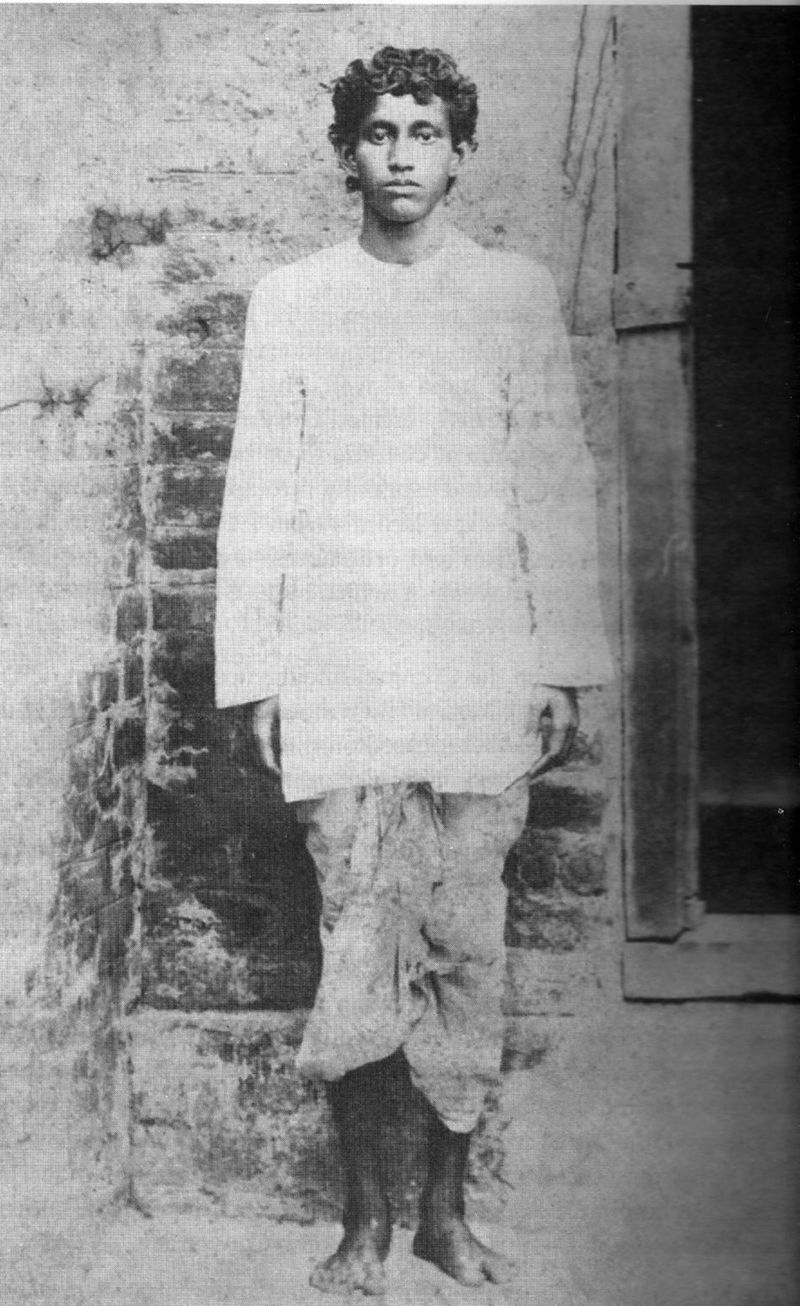
With the heart of a lion and the innocence of youth, Khudiram's spirit was ignited by the fervor of revolution. He wasn’t just a teenager; he was a spark in the darkness, a symbol of defiance against a mighty empire, a beacon for millions who dared to dream of freedom. His sacrifice was not simply an act of rebellion, it was an act of profound love, the purest expression of patriotism.
In 1908, Khudiram and fellow revolutionary Prafulla Chaki set out to assassinate British magistrate Kingsford, notorious for his brutal treatment of Indian nationalists. Their plan was clear: strike fear into the heart of tyranny. But fate played its own hand. The bomb missed its mark, killing two innocent British women. Prafulla took his own life before capture. Khudiram, alone and on the run, was eventually caught.
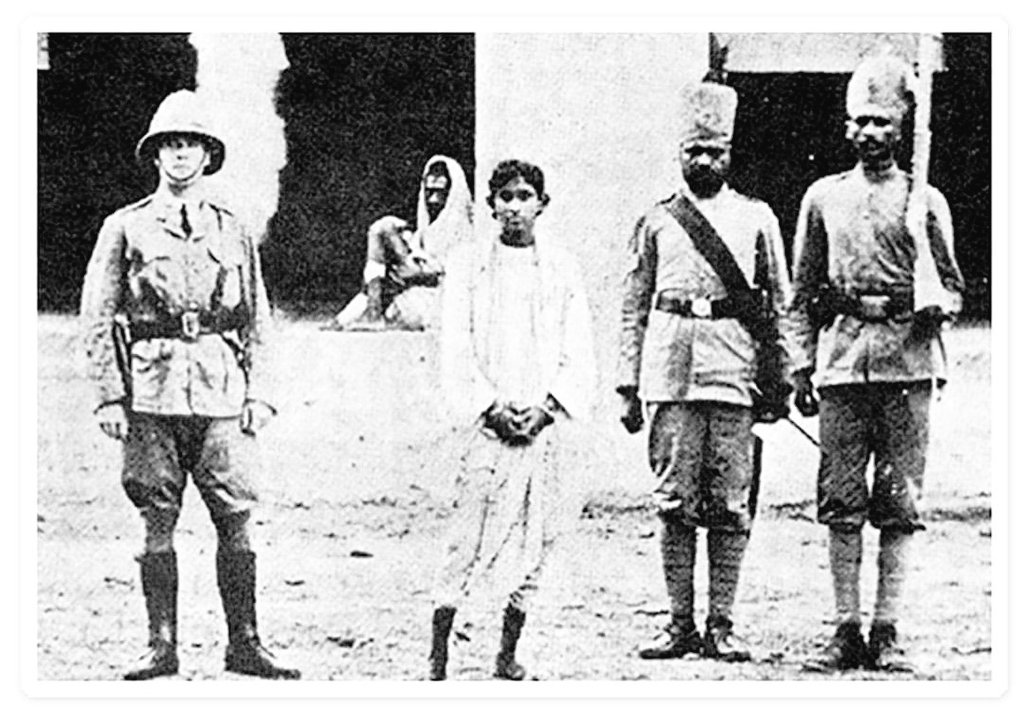
He faced his trial with the calm of a monk, the fire of a patriot glowing in his eyes. On the day of his hanging, Khudiram walked to the gallows barefoot, a smile playing on his lips. To some, it was the end. But to the nation, it was the beginning.
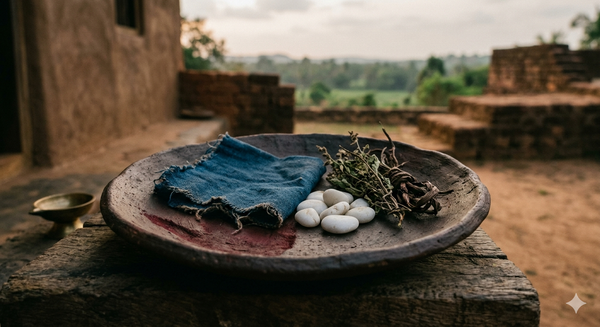
His martyrdom lit a flame across Bengal. So much so, that weavers began crafting a special dhoti with the word ‘Khudiram’ woven into its border. Boys in schools and colleges proudly wore them, walking, literally and figuratively, on the path he had paved.
A Love Story That Outlives Time
Khudiram’s legacy reminds us that greatness isn’t bound by age. That courage doesn’t wait for adulthood. That love, for country, for justice, can be all-consuming, even when you're just 18.
In remembering Khudiram Bose, we aren’t simply honouring a boy who died. We are saluting a young man who truly lived with purpose, with passion, with an unwavering belief that one person can make a difference.
Are we, in our lives of convenience, ready to stand for something greater than ourselves? Can we love our country, not just in words, but in actions, in choices, in courage?
In the story of Khudiram, we find a hero. In his sacrifice, we find a standard. And in his love, we find a question that only our hearts can answer.