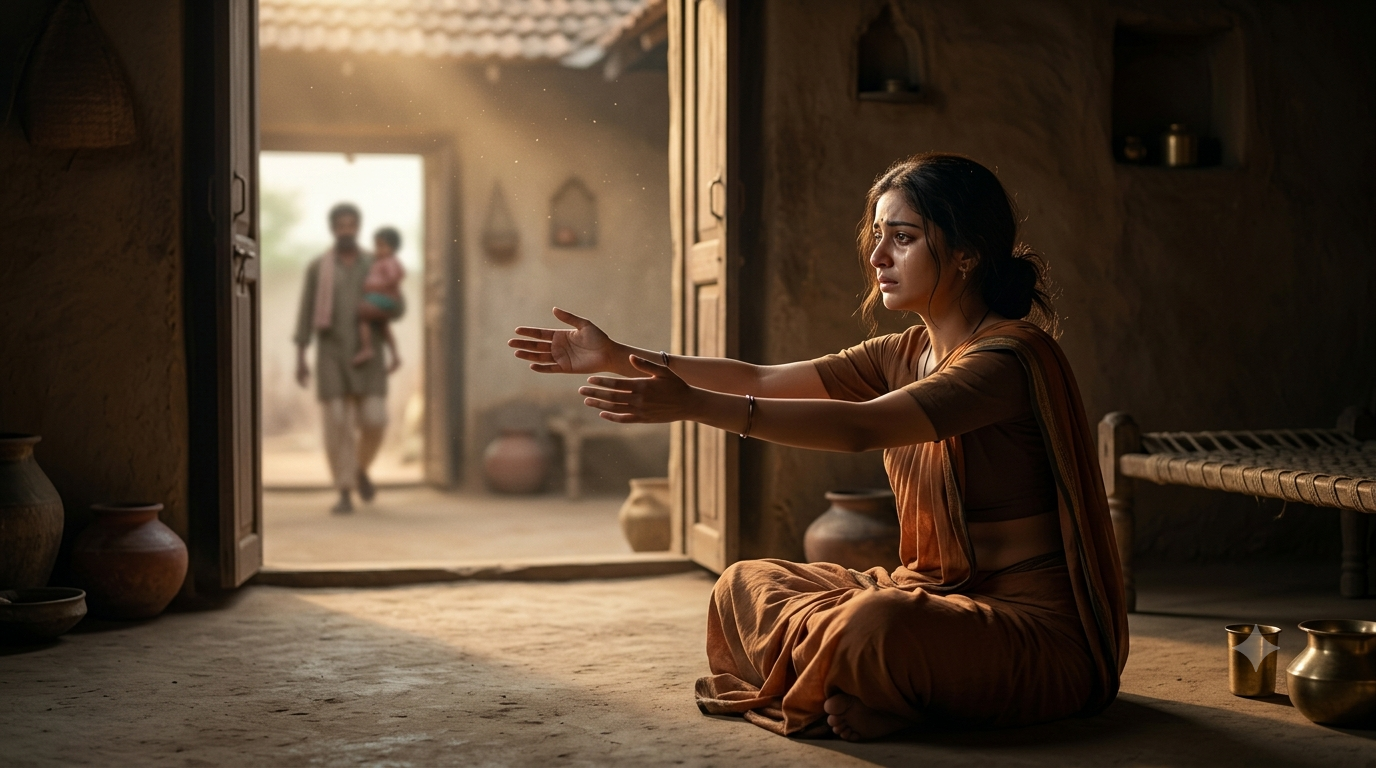
Here is a story about a girl.
At birth, she entered a household that welcomed her warmly. She was given shelter, fed well, and protected from the elements. By every outward measure, she was cherished. But her place came with an unspoken expectation. At maturity, her life was arranged for her, a partnership decided, her opinion unasked, because her role was already understood.
In time, she bore a child, and for a brief moment knew the quiet warmth of maternal bond. But the household ran on rhythm and utility, not emotion. The child was soon separated from her, redirected to another purpose. Care, maternity, separation: the sequence repeated across the years. She did not resist. She simply lived the life designed for her.
Throughout it all, the family that managed her life called her, with genuine affection, "mother."
By now the reveal won't surprise you. This is the ordinary life of a dairy cow, repeated across the subcontinent every year, without controversy. The arrangement is simply animal husbandry. What deserves attention is the word we insist on using for her.
Converting Utility into Sanctity
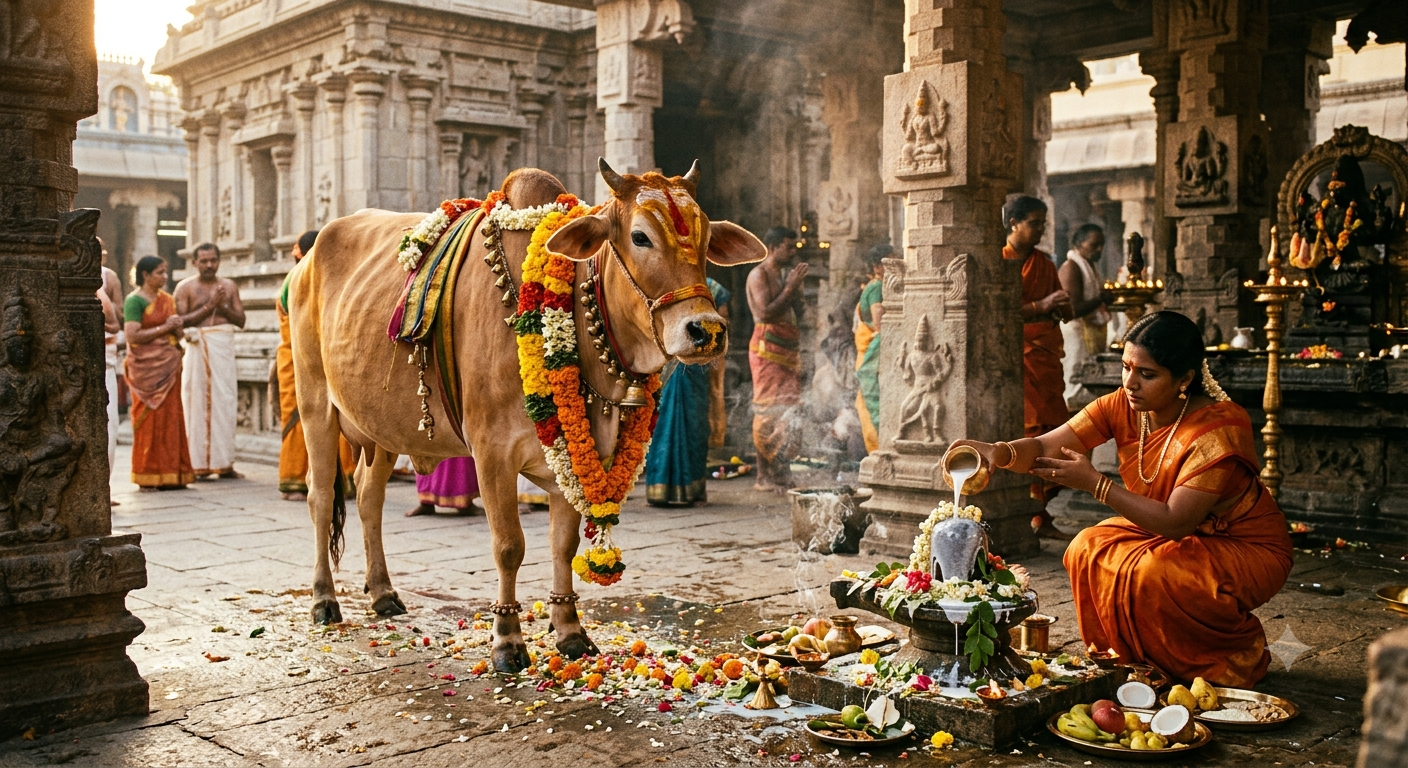
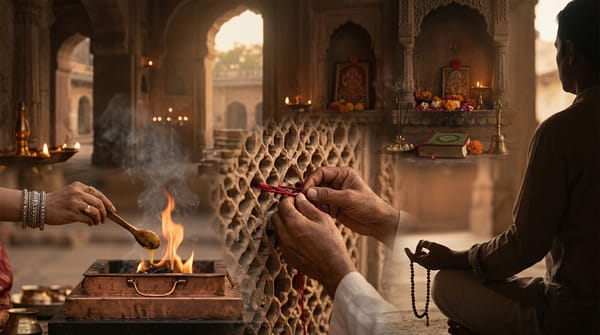
Once, calling the cow sacred made practical sense. Before diesel and fertilizer, she and her calves were agrarian infrastructure: tilling, fuel, milk. A society dependent on an animal for survival has reason to shield it from careless slaughter. Sanctity, here, was less theology than policy, a taboo doing the work law could not.
But something happens when necessity gets renamed divine. The transaction disappears from view. We stop seeing a resource extracted and start seeing a blessing received.
Sanctifying utility is an old device: it lets us consume without the discomfort of consuming, elevated at exactly the moment we are taking.
The Word "Mother," Examined
If "mother" means anything beyond ornament, it implies baselines: care that doesn't depend on output, protection into old age, duty that isn't transactional. This is what the word means for the humans in our lives; we don't stop caring for our mothers the day they stop being useful.
The word survives. The substance quietly doesn't.
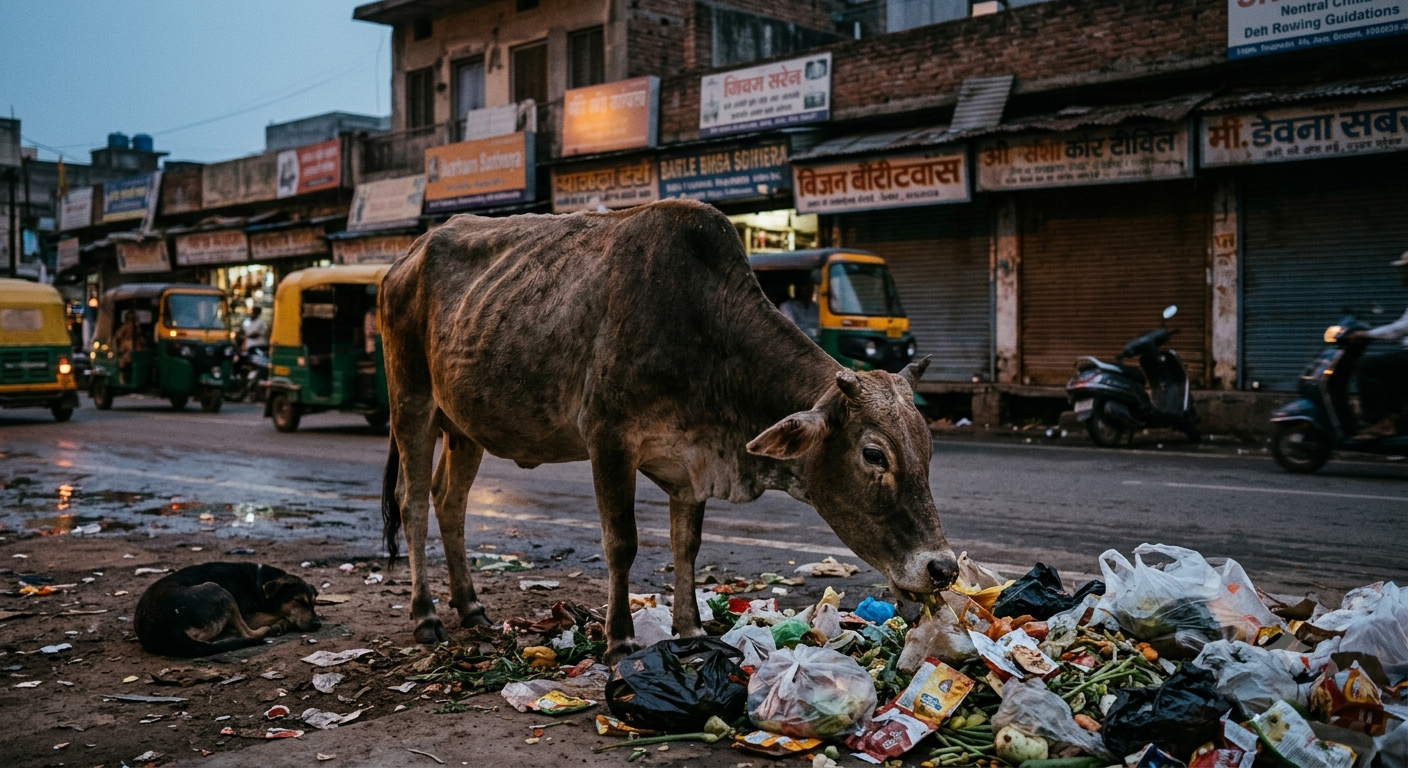
Yet when a cow's yield declines, she is often sold onward, or left to forage roadside garbage, quietly removed from the household that once called her sacred. The affection was conditional on productivity all along; no household would put it that way, but the contradiction is worth naming.
A Test Case: The Egg
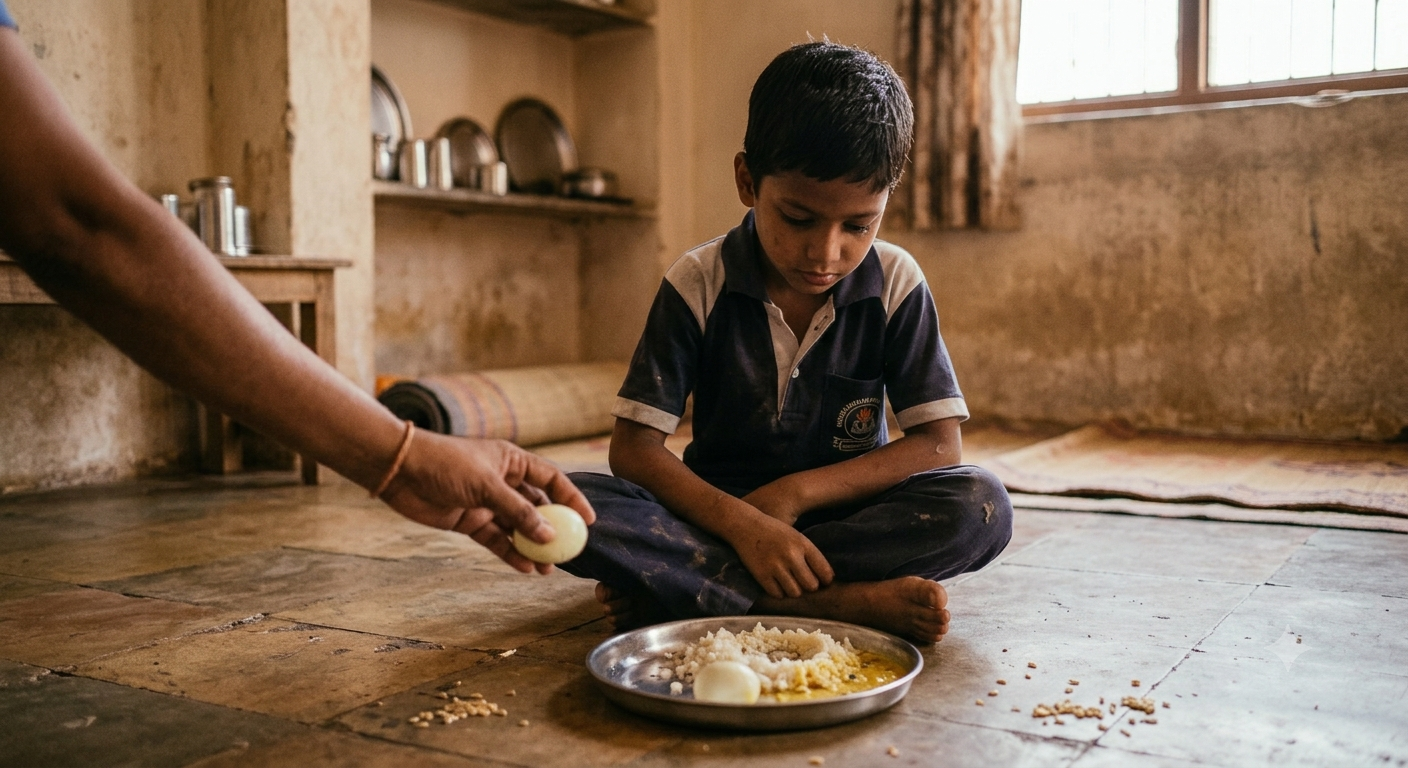
The hen offers a useful comparison. An unfertilized egg involves no mate, no pregnancy, no separation of mother from offspring, a cleaner source of protein than milk by any measure, since milk depends on a continuous cycle of pregnancy and separation to exist at all.
Yet the egg is what many households treat as impure, unwelcome at the festival table, while milk keeps its status as something close to divine. It also happens to be one of the cheapest complete proteins available to a malnourished child from a poor family, exactly the child who could benefit most from it. The ethics of sanctity, in this case, has quietly taken that plate away. If our taboos were built on a genuine ethic of minimizing harm, this pairing would run the other way.
That it doesn't suggests the taboo was never about harm. It was inherited, and inheritance rarely pauses to ask whether it still makes sense.
When the Symbol Becomes a Weapon
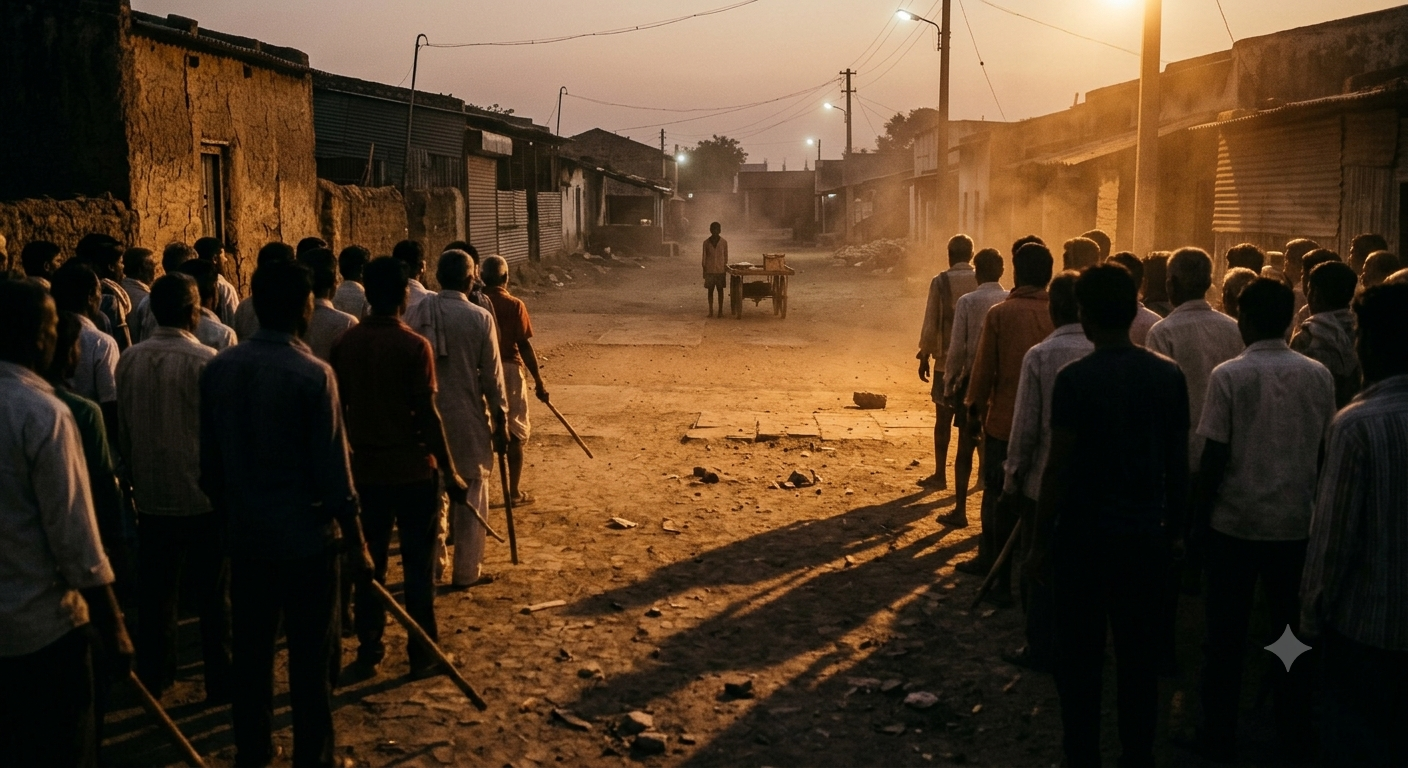
This contradiction sometimes reaches a further stage, where the symbol is no longer misused but weaponized. When protecting the idea of the cow matters more, to some, than her ordinary treatment, or the safety of those accused of harming her, something has shifted from ethics into politics. The outrage stops serving the animal and becomes a performance of loyalty to a symbol, conveniently leaving the supply chain, its transactions and disposals, unexamined.
Defending the symbol in public is easier than reforming the practice in private.
A Choice, Stated Plainly

None of this asks us to abandon dairy or adopt a new ideology, only for honesty we've avoided. Either the cow is an economic asset, deserving the same unsentimental care as any working animal, or she is genuinely a mother, in which case the word must mean something even when she is old, even when she stops producing.
We cannot keep both the comfort of the word and the convenience of the arrangement.
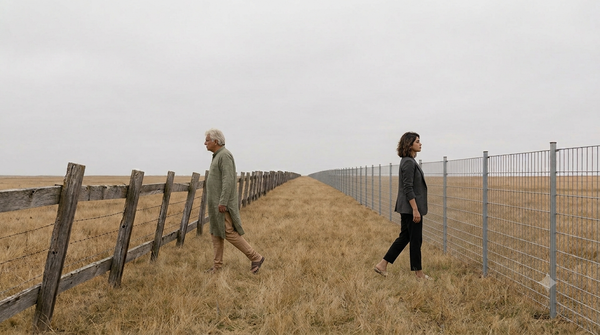
Somewhere between the shrine and the shed, one has to give way.
Until it does, the mother we speak of so tenderly remains, mostly, a mother in name.
References
On the state of cows after their productive years:
- Scroll.in, "The cow and bull story: as farmers vent anger, India's stray cattle problem is here to stay" — on the rise in abandoned cattle following restrictions on sale and slaughter, and the shortage of functioning shelters.
- Down To Earth, "India needs to look beyond gaushalas to address its stray cattle problem" — citing the 20th Livestock Census figure of over five million stray cattle in India.
- YourStory, "Dairy industry decides the fate of India's bulls" — FIAPO's 2017 investigation across 451 dairies, documenting calf mortality and the "machine, not animal" logic of milk production.
On eggs and the midday meal scheme:
- Organiser, "Bengal drops eggs from school meals after ISKCON takes charge; here's how PM POSHAN menus vary across India" — on the nationwide variation in whether states include eggs in their midday meal menus.
- Deccan Herald, "NCP (SP) MLA hands over eggs to official to protest item being dropped from midday meal scheme" — on Maharashtra discontinuing its one-egg-a-week provision for 2.4 million students.
On the beef and buffalo meat industry, especially in Uttar Pradesh:
- Business Standard, "UP's meat industry fears getting butchered" — UP's share of India's roughly $4 billion annual buffalo meat exports, and the political tensions around it.
- Newsgram, "India's Top Beef Exporter Donates ₹30 Crore to BJP as Govt Drafts Policies to Boost International Meat Trade" — on UP's dual position as both India's top buffalo meat exporting state and the state with the highest reported number of cattle-slaughter-linked hate crimes.