What I'll Tell My Kids About God
Friday night, a group of friends, the usual chaos of everyone talking over each other. Somewhere in that noise, someone turns to me: "Ok but seriously, when you have kids, what will you tell them about God?" The table goes quiet.
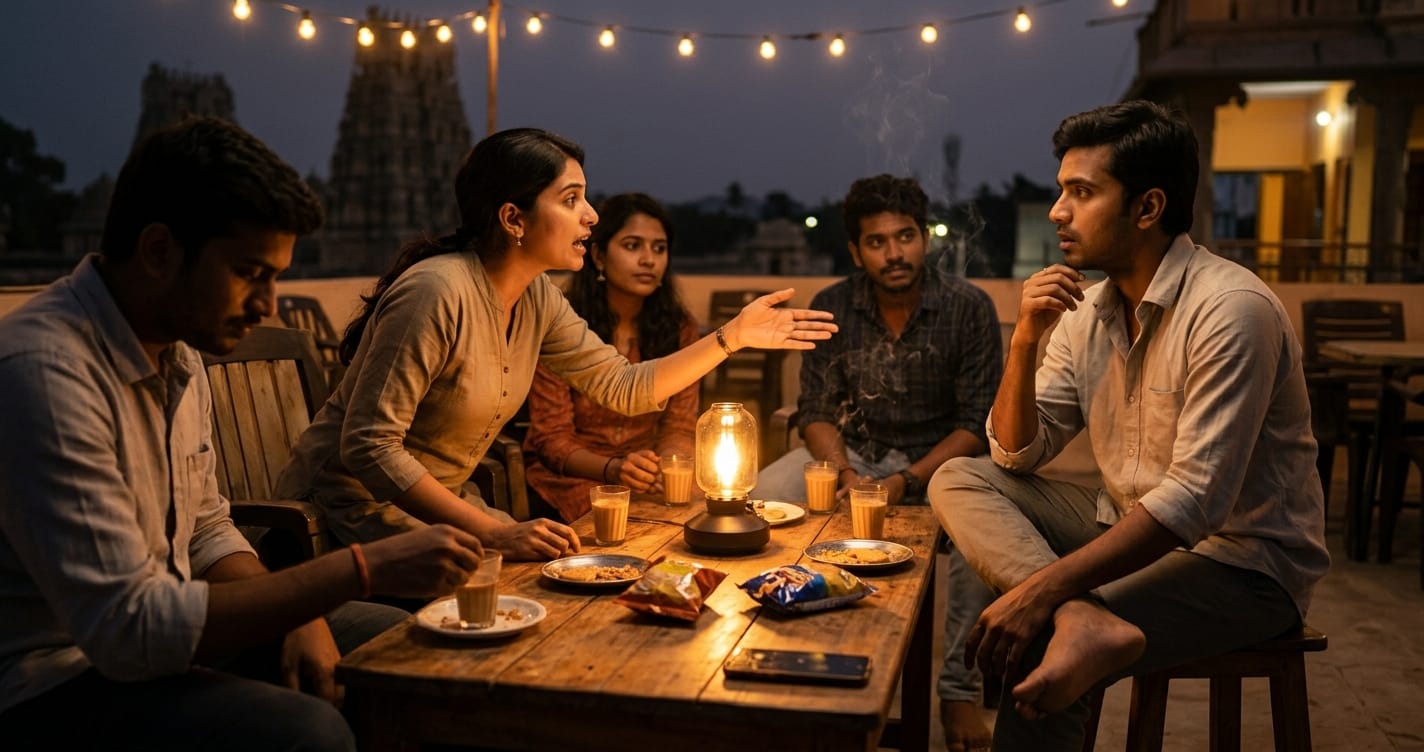
I laugh it off. I still don't have a clean answer. But I've been turning the question over since, the way you turn a stone in your pocket, not sure what to do with it.
The Car Door
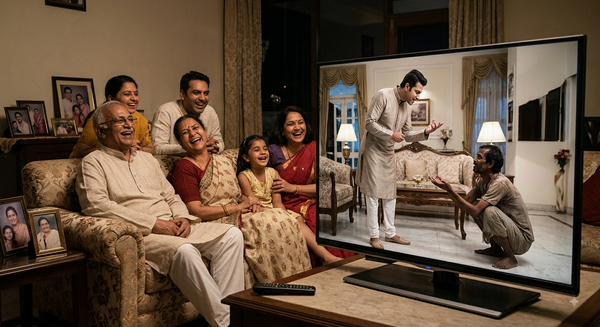
It wasn't a childhood thing. It started later, once I was old enough to actually question things, when I began refusing to step into the temple and waited in the car instead. My parents would head in, and by the time they returned, we'd already be arguing. "You've never struggled," my mother would say, "that's why you don't need faith." My father had a sharper one: "You may renounce Him, but it is He who lets you renounce Him."
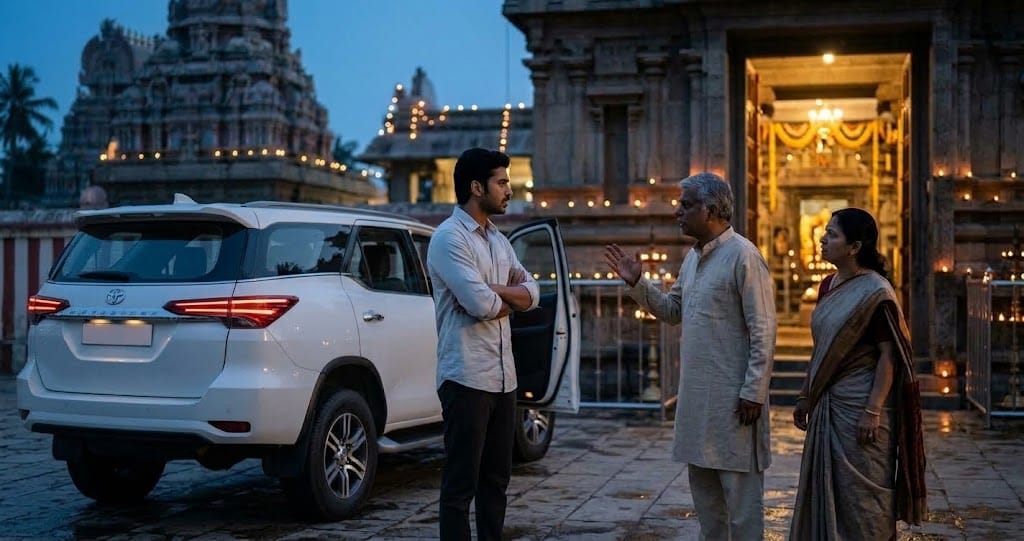
That one, I still don't have a comeback for.
For years, atheist was the word I reached for anyway. I liked how clean it sounded, how final. I'd quote Bhagat Singh, who wrote in his essay "Why I Am an Atheist":
"As regards the origin of God, my thought is that man created God in his imagination when he realized his weaknesses, limitations, and shortcomings."
It felt like armor.
The Winged Dogs
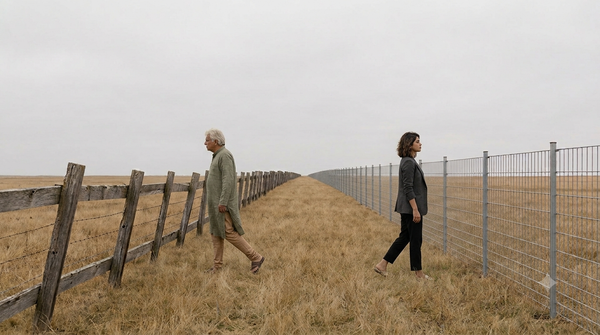
Then, somewhere between the method of science and a 3 a.m. spiral, I noticed something. Being an atheist meant I was always defending a position, matching one claim with another, God exists, well God doesn't. Fighting a claim takes energy and ownership.
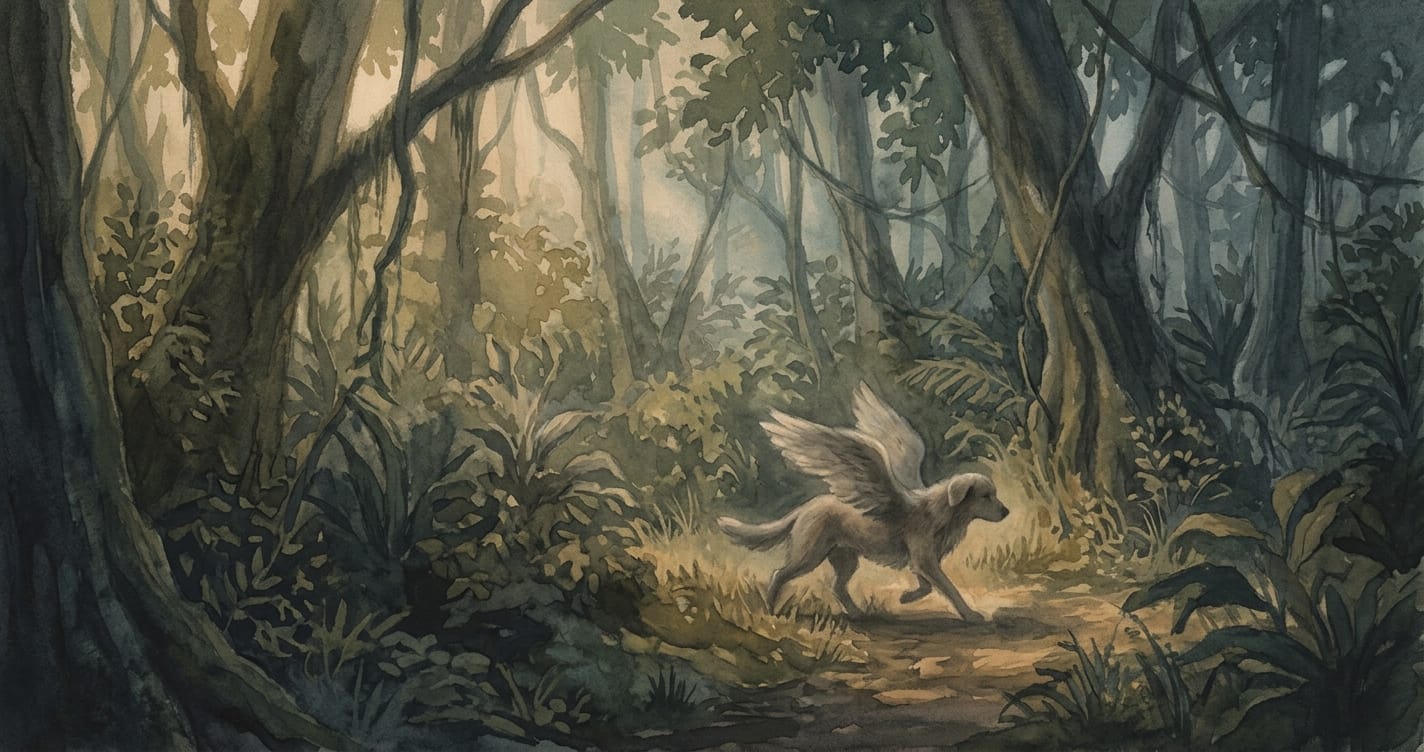
Someone once told me, quite seriously, that some dogs have wings. It isn't on me to prove they don't, it's on them to prove they do. But here's the part a science student can't ignore either: even if I searched the farthest of jungles and never found one, I still couldn't say with full certainty that no winged dog exists anywhere on this planet, or beyond it.
Science doesn't deal in absolute negatives about the unobservable.
Absence of evidence isn't proof of absence. So while I owe no one a case for why God doesn't exist, science won't let me declare that with certainty either. The most honest stance left isn't a declaration. It's an admission: I don't know. That's not a shrug. It has a name. Agnosticism.
What I'll Actually Say
So when that Friday night question finds its way back to me, here is where I land. I won't tell my kids there's a deity somewhere keeping score of their mistakes, that isn't my claim to make. I also won't hand them a tidy certainty that no God exists, that would just be trading one unproven claim for another. What I'll give them is a word: agnostic. Someone who doesn't owe anybody a belief they can't verify, and who has the humility not to fake a certainty of their own.

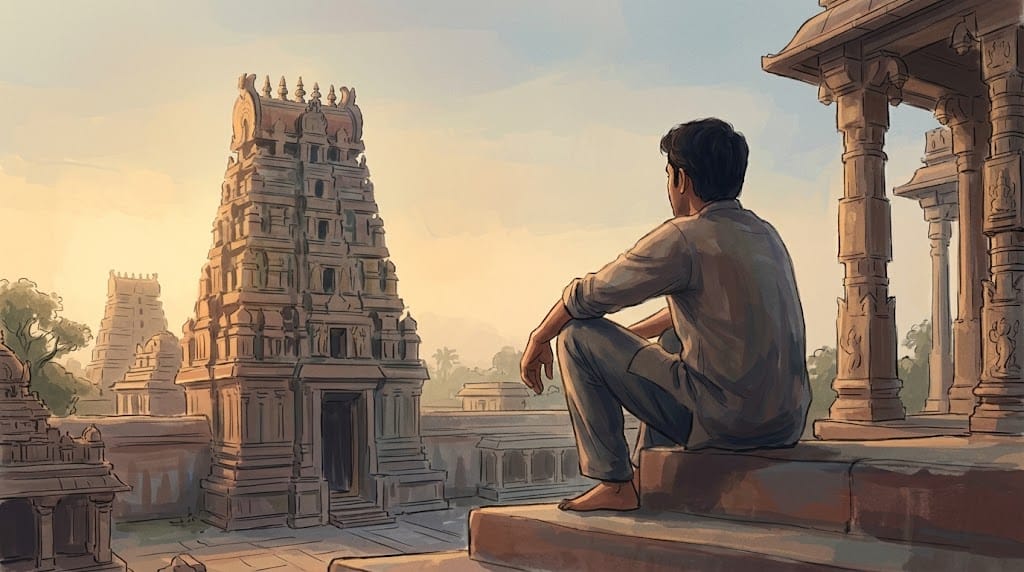
I'll still take them to temple sometimes. Not for the miracle, but for the marigolds and the noise and the sense of belonging to something older than us, the same reasons I still go. I'll let them wait in the car if they'd rather, no scoreboard either way. I'll tell them their grandmother's faith carried her through things mine hasn't been tested by yet, and that deserves respect, not a rebuttal.
What I want to hand them isn't an answer. It's the stomach for the question, the willingness to sit inside "I don't know" without reaching for a costume to make it look like certainty.
Whether that's enough, I suppose I'll find out from them one day.