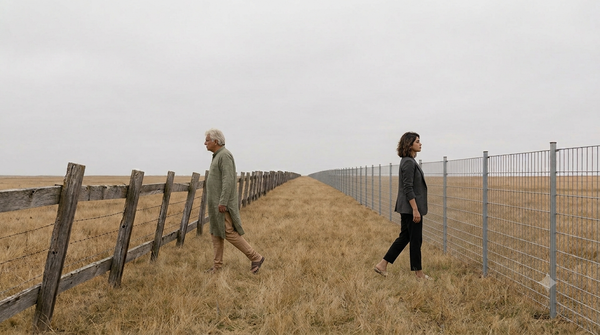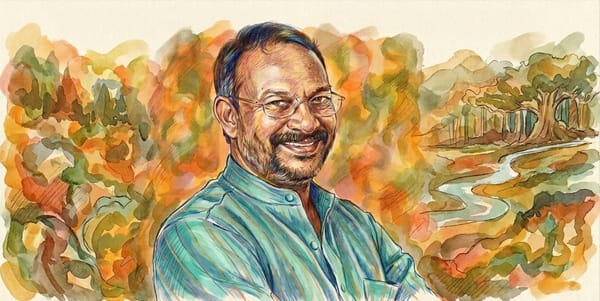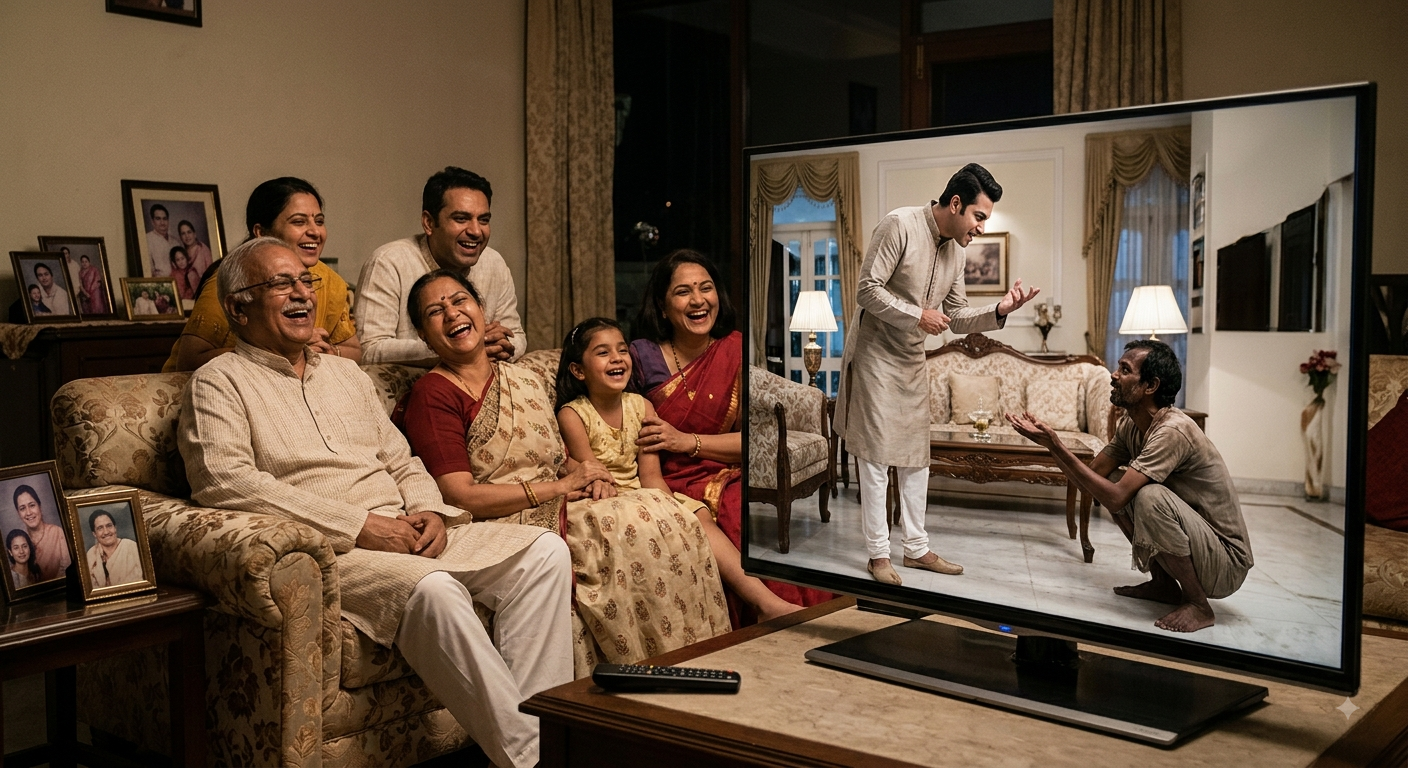
Every story needs someone to hate. Growing up on a diet of mythology, movies, and prime-time dramas, we learned early who the villain was, and more importantly, why. He was punished by the end, and we were meant to walk away knowing exactly which traits to never carry into our own lives. Here are a few we all recognize.

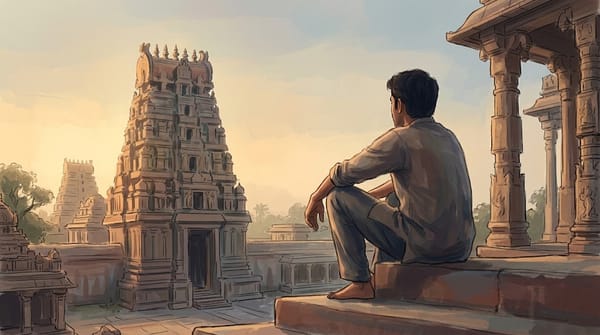
The Entitled Obsessor: Ravan. He saw a woman who belonged to another man's life and decided that did not matter. He built an entire abduction around his obsession with Sita, mistaking desire for entitlement. The story does not end well for him. It was never supposed to.
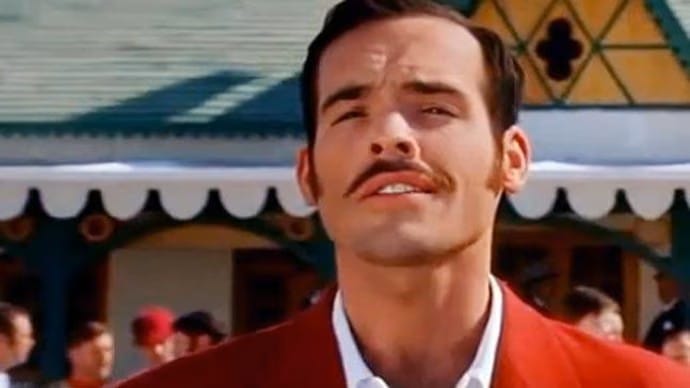
The Xenophobe: Captain Andrew Russell (Lagaan). He looks at an entire village and sees only people beneath him, worth mocking for their language, their customs, their skin. He forces a wager built on contempt, certain the villagers could never be his equal. His downfall, on their own terms, is the whole point of the film.
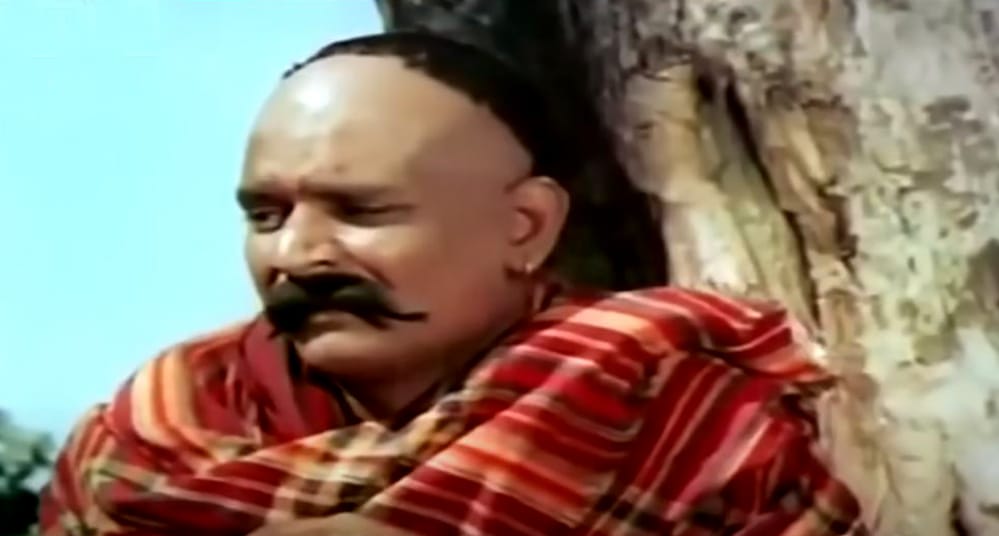
The Exploiter: Sukhilala (Mother India). He lends money to a struggling farming family and then spends generations making sure they can never repay him, treating their poverty as leverage rather than misfortune. He does not need a weapon. Debt and desperation do the work for him.
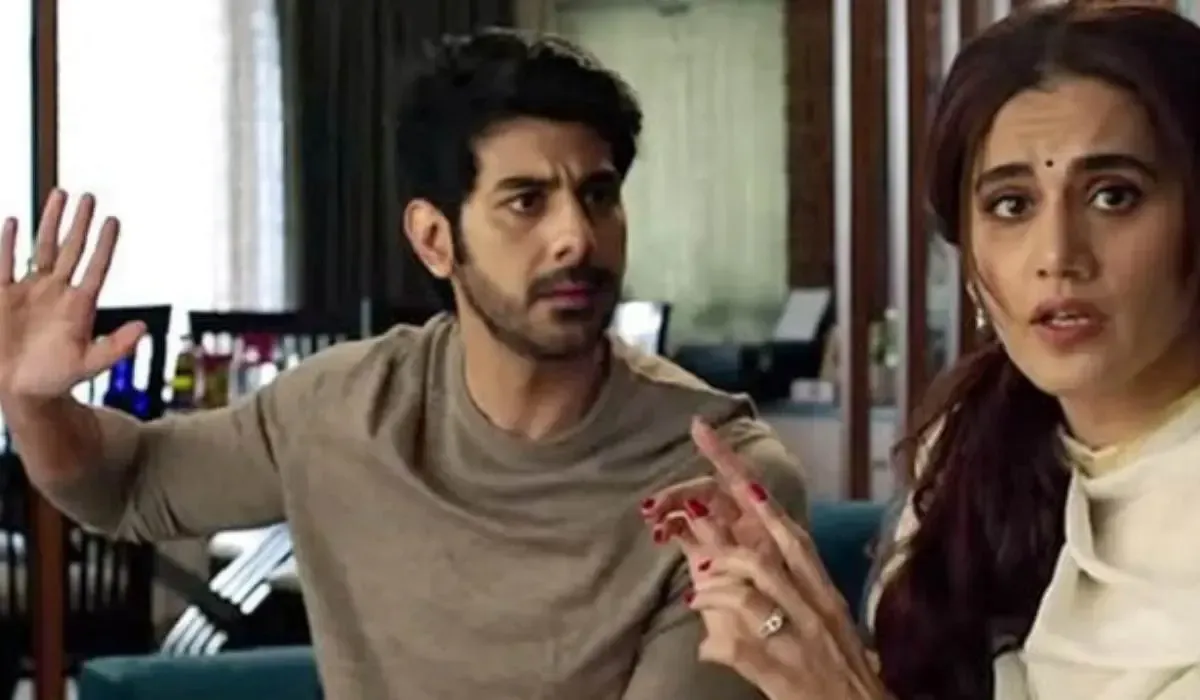
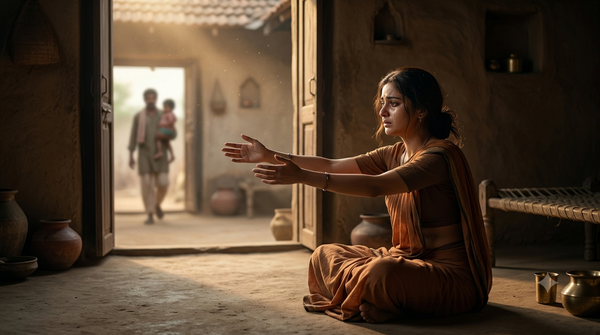
The Casual Chauvinist: Vikram (Thappad). From the outside, his marriage looks fine, successful, even enviable. But his control shows itself in smaller ways, dismissiveness, entitlement, a single slap he cannot understand is a breaking point. He is not punished with a gallows or a bullet. His wife simply walks away, and the film asks us to sit with how radical that quiet exit really is.
Four traits. Four villains. All recognized, in myth or on screen, as behavior to condemn.
The One We Never Suspected
Now, what if a man carried all four of these traits at once, and instead of condemnation, he received a laugh track?
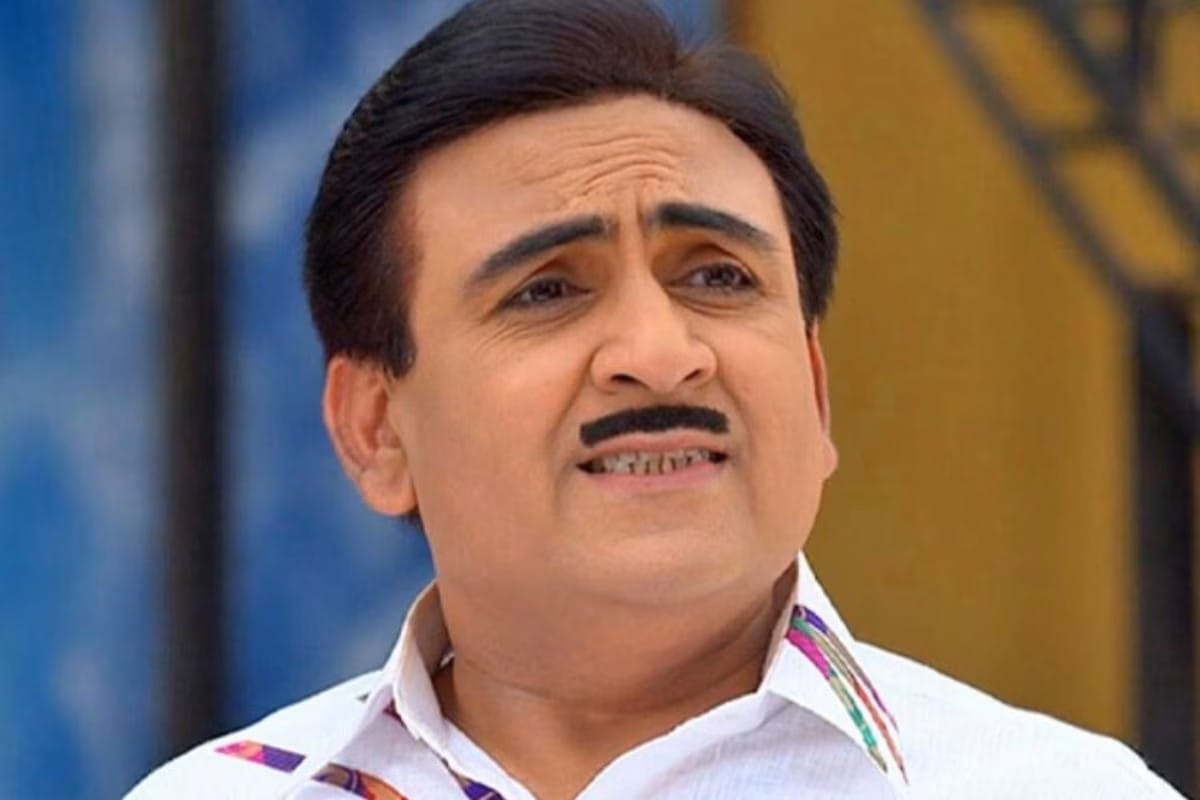
He screams at his wife, in front of his own father and son, while she continues to serve and love him without complaint. He has run his shop for over a decade with the same two employees and still finds new ways each year to belittle them, brushing off their requests for a fair raise, mocking how they speak, treating their labor as something owed to him rather than earned. His eyes linger a little too long on his married neighbor, and he finds reasons to be near her, to undercut her husband, to treat another man's marriage as an inconvenience. That husband, a South Indian, is mocked relentlessly for his accent and the color of his skin, jokes that have run for over a decade without losing their punchline status.
His name is Jethalal, our beloved hero from Taarak Mehta ka Ooltah Chashmah
How We Normalized Him
Here is the uncomfortable part.
We already know how to spot this man. We spotted him in Ravan, in Russell, in Sukhilala, in Vikram.
We just stop spotting him the moment the background score turns cheerful. Part of it is the shield he's given: a devoted son, a soft spot for his father, a man who gets scammed as often as he scams others. That shield works. It makes scrutiny feel unfair. But it also means we teach a child sitting beside us that toxic behavior delivered with good comic timing simply does not count. That a husband can berate his wife and still be the hero of the house. That mocking a man's accent is affection if you smile while doing it. That underpaying and belittling your own staff is just a boss's eccentric charm.
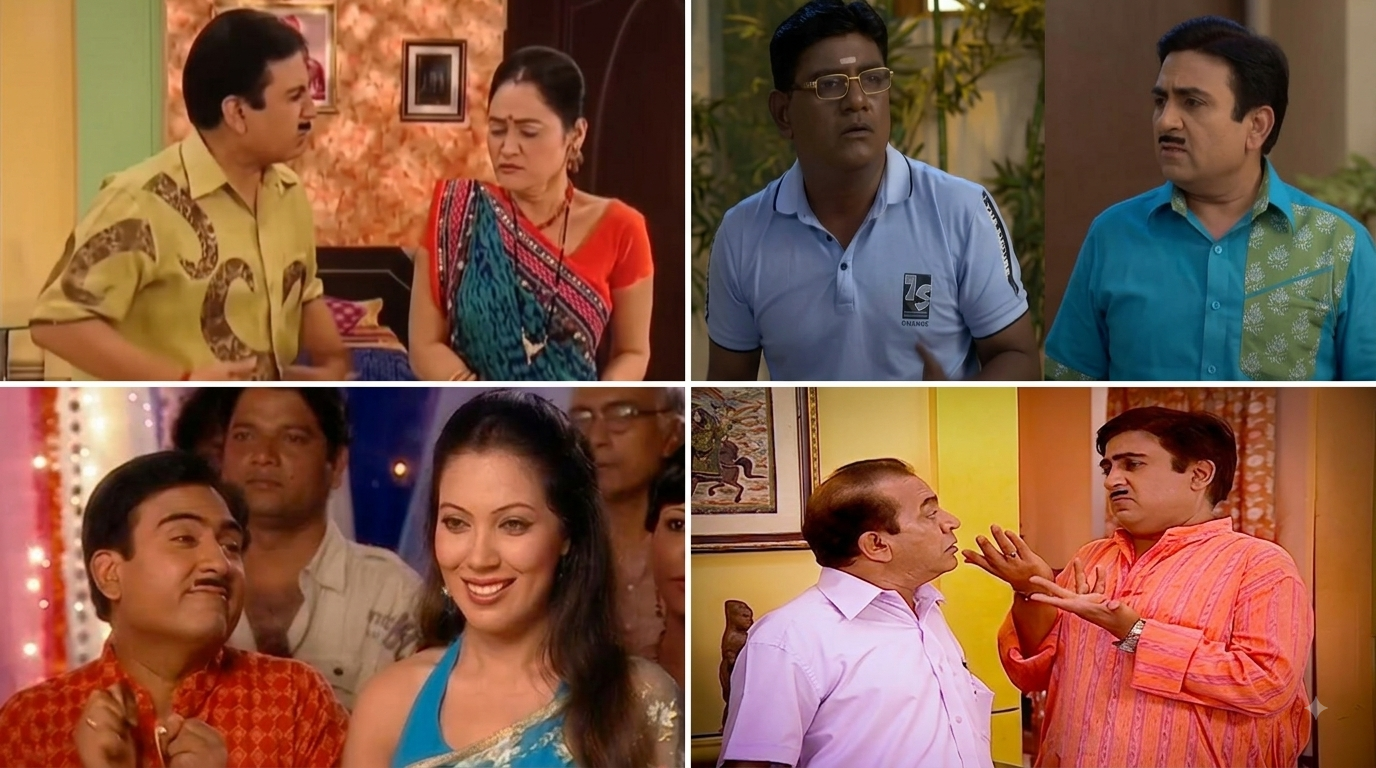
We do this every night, as a family, willingly. We invite him in. We laugh, together, at the parts of him that should trouble us most.
He Is Just One Of Many
Jethalal is not an anomaly. He is a poster boy for a pattern we have built an entire industry around.
We gave Kabir Singh a woman to slap and still called it love. We gave Kundan, in Raanjhanaa, a decade of stalking dressed as devotion, and when the story ended, the woman wore the villain's label, not him. We have watched a hero humiliate a smaller, weaker man for a laugh the whole theater is meant to enjoy. We have watched a forced kiss scored like romance, resistance treated as a formality the plot moves past.
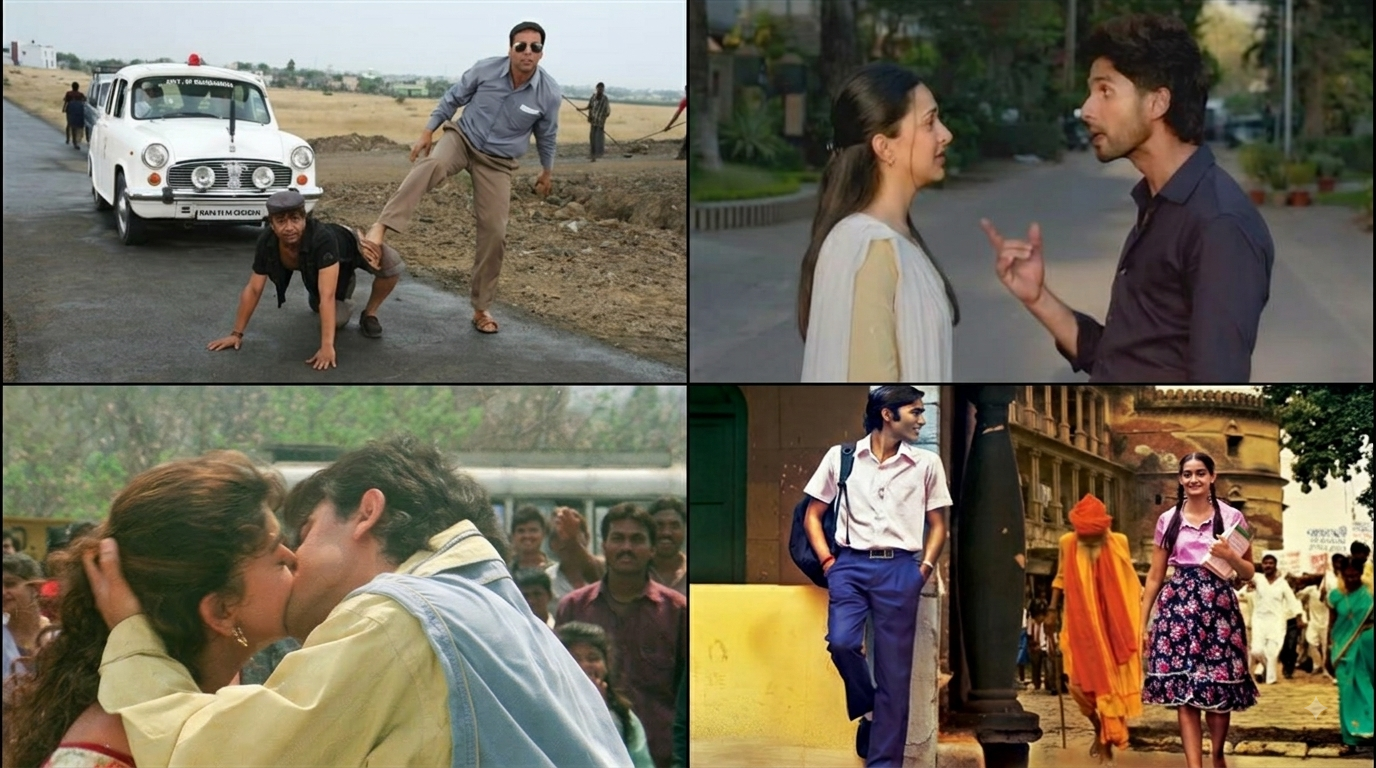
None of these men wear a villain's costume. They get the title track and the girl. We are not tricked into liking them. We are trained to.
A slap becomes proof of passion. Stalking becomes proof of persistence. Cruelty toward someone weaker becomes proof of wit.
The framing does the work the man could never justify alone, and we absorb it without noticing, because it never arrives as a lesson. It arrives as entertainment.
The Question We Owe Ourselves
We live in a country where a woman is assaulted somewhere every hour, where dowry still gets women burned alive, where simply walking outside can mean enduring a stranger's leering. We are not short of real villains. What we are short of is the will to recognize one when he is toxic in a way that's dressed up as funny, when he is beloved, when he has a theme song instead of a downfall.
So here is the question worth sitting with tonight, as the same laugh track plays in the same living rooms it has played in for fifteen years: if we already know how to spot a Ravan, a Russell, a Sukhilala, a Vikram, why do we keep pretending we cannot spot the one sitting closest to us?
References
- Australian man cites Bollywood as defense for stalking two women. https://www.lawctopus.com/academike/harassment-in-bollywood-movies/
- "Stalking: A Crime Normalized by Bollywood." IJFMR, 2023. NCRB data: stalking cases in India nearly doubled from 2014 to 2021. https://www.ijfmr.com/papers/2023/6/10500.pdf
- "How Bollywood Uses Violence Against Women to Pander to Male Complexes." eShe, 2019. Kabir Singh and Arjun Reddy sell abuse as desirable, not just depict it. https://eshe.in/2019/08/28/misogyny-in-bollywood/
- "Indian Films Portray Stalking of Women as 'Cool, Romantic', Campaigners Say." Gulf News. https://gulfnews.com/news/asia/india/indian-films-portray-stalking-of-women-as-cool-romantic-campaigners-say-1.1899473
- "Understanding Why Stalking Is a Normalized Crime in India." Girl Power Talk, 2024. Raanjhanaa and Badrinath Ki Dulhania linked to weak stalking law enforcement. https://girlpowertalk.com/stalking-normalized-crime/